
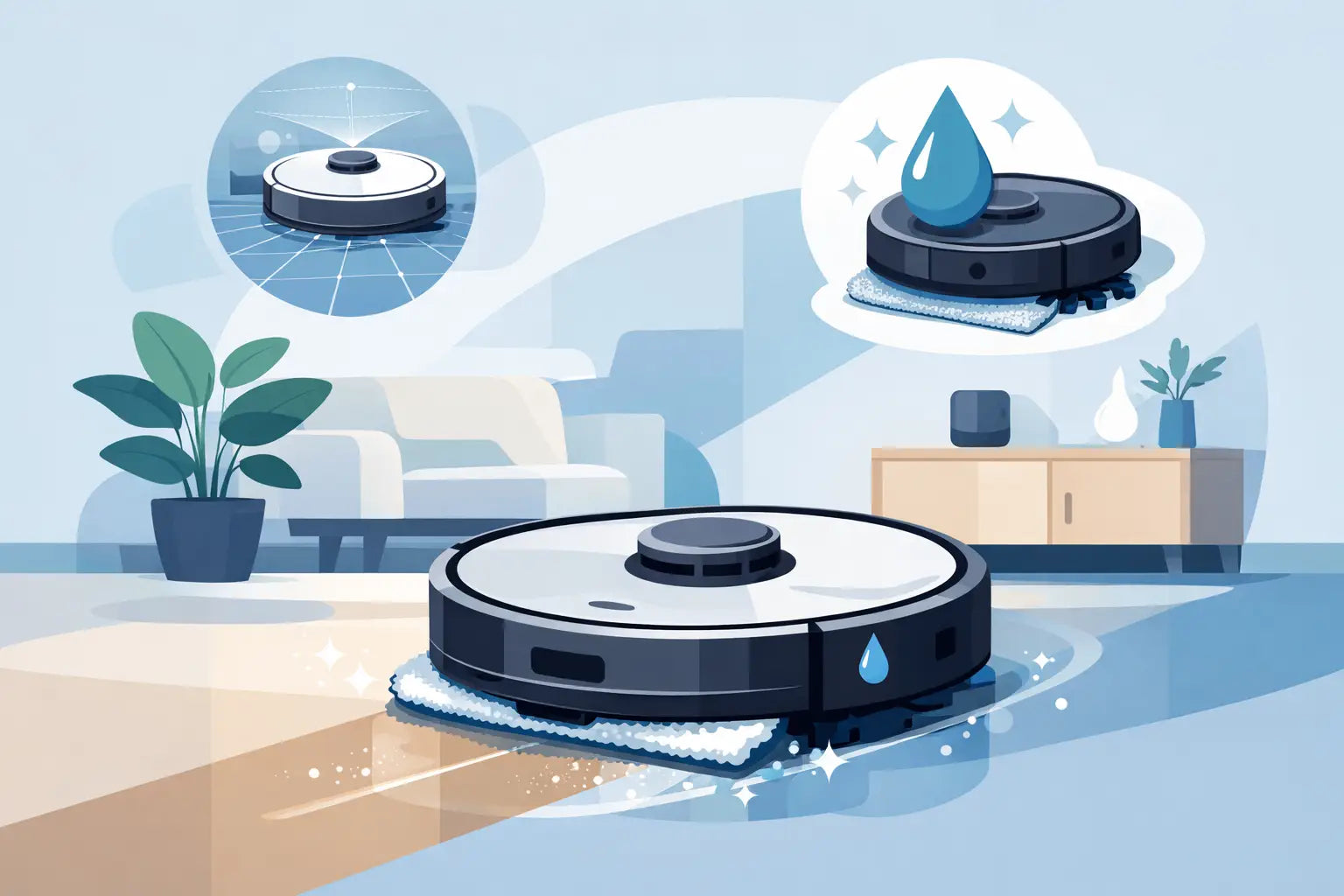
A robot vacuum mop sounds like the kind of upgrade you buy once and wonder how you lived without. Then you start shopping, and every model claims stronger suction, smarter mapping, and hands-free cleaning. That is where a real review of robot vacuum mops matters - not the hype, but the details that actually change day-to-day life.
If your goal is a cleaner home with less effort, the category is worth a serious look. But not every robot vacuum mop is built for the same floor plan, mess level, or routine. Some are excellent at daily dust control and barely pass on sticky spills. Others mop well but need more maintenance than you expected. Smart shopping starts with knowing which compromises you can live with.
What a good review of robot vacuum mops should cover
Most product pages lead with specs. Higher Pa suction. Smarter sensors. Longer runtime. Those numbers are useful, but they rarely tell the whole story. A better filter is this: how well does the robot handle the messes you actually have, in the rooms you actually use?
For apartments and smaller homes, navigation consistency often matters more than maximum battery life. If a unit can clean efficiently, avoid getting stranded under furniture, and return to its dock without drama, that is a win. In larger homes, mapping accuracy and multi-room memory become far more important. A machine that forgets zones or redraws maps every week quickly stops feeling like a convenience.
Mopping performance is where the category really separates. Many combo units are strong vacuum cleaners with a light wipe function attached. That can be enough for hardwood, tile, and laminate that mostly collect dust and footprints. If you have kids, pets, or frequent kitchen spills, you may want a model with pressurized or rotating mop pads, better water control, and stronger stain handling. Marketing language can blur these differences, so a useful review should call them out clearly.
The four things that actually decide satisfaction
1. Vacuuming power in real homes
Suction claims sound impressive, but floor type changes everything. On hard floors, most mid-range robot vacuum mops do a solid job with dust, crumbs, and hair. Carpet is where the gap widens. Low-pile rugs are manageable for many models. Thick carpet, pet hair, and debris tracked in from outside require stronger pickup and better brush design.
If your home is mostly hard flooring with a few rugs, you do not need the most expensive option in the category. If you have shedding pets and carpet in main living areas, stepping up in performance usually pays off.
2. Mopping that does more than dampen the floor
This is the part shoppers often overestimate. A water tank and pad do not automatically equal serious mopping. Entry-level units are best for maintenance cleaning. They keep floors looking fresher between deeper cleans, but they are not replacing a real mop after a sticky dinner spill or muddy paw traffic.
Higher-performing models can scrub more effectively, especially those that lift pads on carpet or use dual spinning pads. These features make a noticeable difference in mixed-floor homes. They also tend to cost more, and replacement pads or cleaning solution can add to long-term ownership costs.
3. Navigation and object avoidance
A robot that bumps into chair legs all day is not smart. Basic navigation systems can still clean adequately, but they move slower, miss areas, and get tangled more often. Better mapping and obstacle avoidance save time in a very literal way - less babysitting, fewer rescues, and fewer reruns of the same room.
This matters even more if your home has kids' toys, charging cables, pet bowls, or furniture with narrow gaps. Premium navigation tends to feel worth it in busy households. In simpler spaces with fewer floor obstacles, a more basic system can still be a practical buy.
4. Maintenance after the sale
This is where the smartest purchase often reveals itself. Some robot vacuum mops are easy to own. Others ask for more from you than expected. Hair wraps around rollers. Dirty water bins need rinsing. Mop pads start to smell if ignored. Sensors need wiping. Docks with self-emptying and self-washing features reduce the work, but they also raise the price and take up more space.
The right question is not whether maintenance exists. It does. The question is whether the routine fits your lifestyle. If you want true low-touch cleaning, invest in automation. If you are comfortable doing quick upkeep once or twice a week, a simpler model can deliver strong value.
Who should buy one and who should think twice
Robot vacuum mops make the most sense for people who want cleaner floors every day, not just after a major cleaning session. They are especially useful for young professionals with busy schedules, couples keeping up with shared spaces, and parents who are tired of seeing crumbs reappear two hours after sweeping.
They are also a smart fit for homes where hard flooring does most of the visual work. On tile, wood, vinyl, and laminate, the combination of vacuuming plus light mopping can make a room feel noticeably more pulled together with very little effort.
They are less convincing if your home has mostly thick carpet, a lot of stairs, or constant heavy messes that need spot treatment. In those cases, the robot helps, but it does not replace your other tools. Think support system, not miracle worker.
Best fit by household type
For apartments and smaller homes
A compact model with reliable mapping, decent suction, and a simple mop system is often enough. You do not need oversized tanks or ultra-long battery life if the cleaning area is modest. Prioritize quiet operation and a dock that does not dominate the room.
For pet owners
Focus on brush design, tangle resistance, and bin capacity. Pet hair exposes weaknesses quickly. A self-emptying dock can be a quality-of-life upgrade here, not a luxury. On the mopping side, expect help with paw prints and tracked litter, but keep expectations realistic for dried messes.
For families with kids
Object avoidance matters. So does the ability to set no-go zones and room schedules. Morning kitchen cleanup and nightly main-floor passes are where these products earn their keep. A better mop system is worth considering if snack spills and sticky patches are common.
For style-conscious shoppers
Looks are not everything, but they are not nothing. These docks live out in the open. If your home is carefully edited, a cleaner design and smaller footprint matter. The best appliances disappear into the routine and the room.
Price tiers and what you really get
Budget models can be good entry points if your expectations are clean floors, not perfect floors. They handle dust and everyday debris well enough in lower-mess homes. The trade-off is usually weaker navigation, lighter mopping, and more hands-on maintenance.
Mid-range models are often the sweet spot. This is where performance, app control, and mapping start to feel polished. For many households, this tier delivers the best balance of value and convenience.
Premium models justify their price when your home is larger, busier, or harder to manage. Better obstacle avoidance, stronger carpet performance, more advanced mopping, and cleaner dock automation make a real difference. But if your layout is simple and your cleaning needs are light, that extra spend may not change your life as much as you think.
The smartest way to judge a robot vacuum mop
Do not ask whether it is the best on the market. Ask whether it is the best fit for your floors, your schedule, and your tolerance for upkeep. That is the standard that leads to fewer returns and better long-term satisfaction.
A sharp review of robot vacuum mops should leave you with that kind of clarity. Not every feature deserves your money. The right ones do. At Zavira, that idea applies across the home: no clutter, no compromises, just practical upgrades that make everyday living easier.
Before you buy, picture a normal week in your home. The pet hair in the hallway. The crumbs under the dining table. The footprints in the kitchen. Then choose the model built for that reality. The best one is the one you will keep running.
يشارك:
Everyday Upgrade Shopping Guide That Works
How to Style a Tote Bag for Every Day