
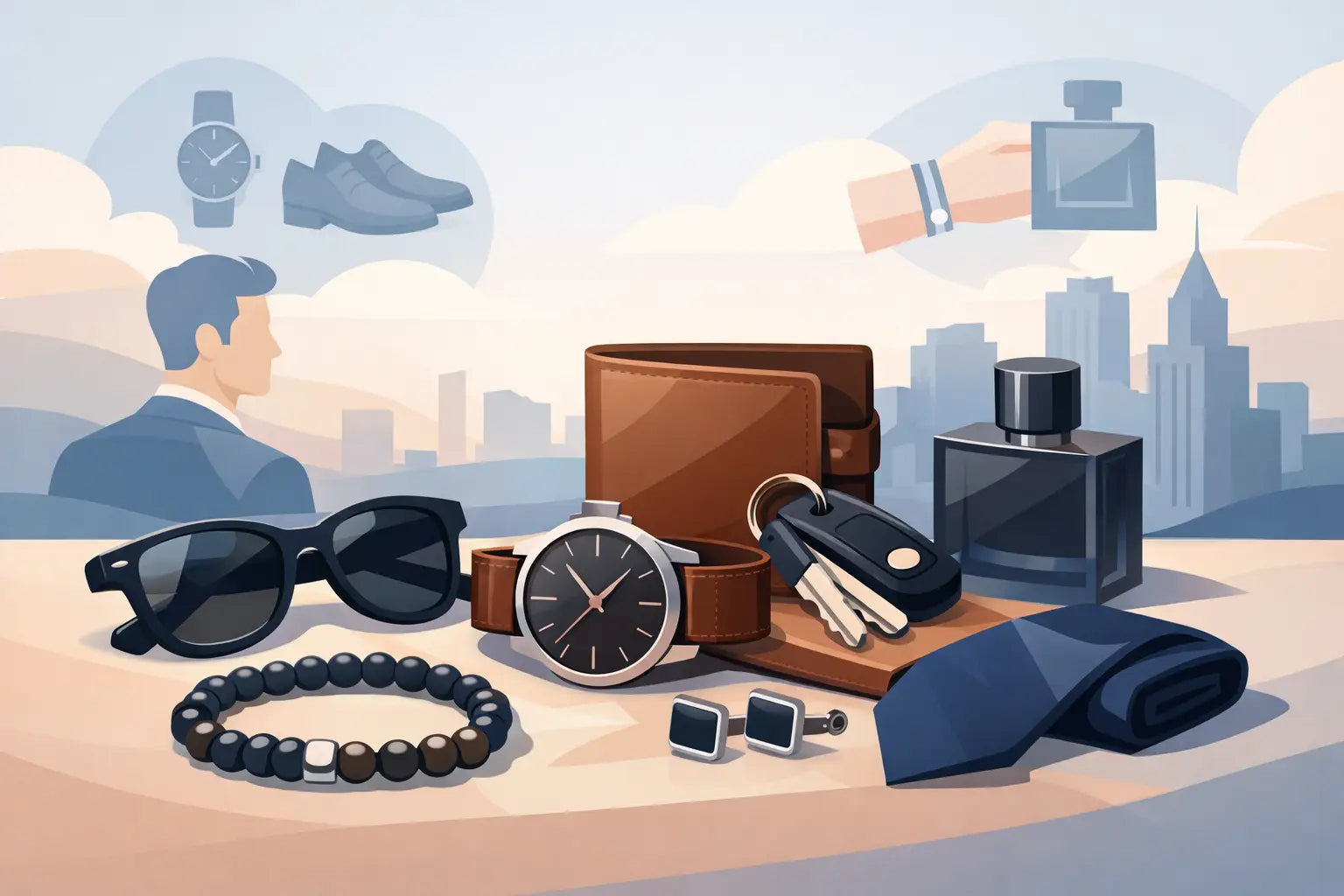
A good outfit usually gets decided in a few seconds. The shirt works, the pants fit, the shoes are clean - and then something still feels unfinished. That missing piece is often men accessories. Not extra. Not decorative for the sake of it. Just the details that make daily style look more intentional and work harder.
That matters because most men do not need more clothes. They need better finishing pieces. A solid watch, a wallet that does not bulk out a pocket, sunglasses that actually suit the face, a bag that looks sharp on the commute - these are the upgrades that change how an everyday outfit comes together.
Why men accessories matter more than most people think
Clothing sets the base. Accessories do the editing. They add contrast, structure, and function without making an outfit feel overworked.
The best part is that they also solve practical problems. A crossbody keeps essentials in reach. A belt cleans up the silhouette. Sunglasses handle bright afternoons and add shape around the face. A compact cardholder can be more useful than a stuffed traditional wallet. Style is part of it, but usefulness is what makes these pieces worth buying.
There is also a budget advantage here. If you want a sharper wardrobe without replacing everything, accessories are the smart move. One or two strong additions can refresh what you already own. That is a better investment than chasing trend-heavy clothing that may not last past one season.
The core men accessories worth owning first
If your current lineup is random, start with the pieces you will actually use every week. The goal is not quantity. It is coverage.
Watches that do more than tell time
A watch still matters, even with a phone in every pocket. It gives the wrist structure and makes an outfit feel complete. For work, a clean metal or leather-strap watch is hard to beat. For weekends, sportier designs feel easier and less formal.
The trade-off is versatility versus personality. A minimalist watch works with almost everything, but it may not stand out. A bolder face or textured strap adds character, though it can be harder to pair daily. If you want one watch first, keep it simple and neutral.
Wallets and cardholders that keep things clean
Nothing ruins polished style faster than an overstuffed wallet. It stretches pockets, disrupts the fit of pants, and usually carries things you do not need.
A slim wallet or cardholder looks better and feels better. If you carry cash often, a compact bifold makes sense. If you mostly tap to pay, a cardholder is usually enough. This is one of those men accessories where less really is more.
Bags that match real life
The right bag depends on your routine. A structured backpack works for commuting, travel, and everyday carry. A messenger bag can feel more office-ready. A compact crossbody is ideal when you only need the essentials.
The key is avoiding a bag that fights your outfit. Sporty nylon can look great with casual wear but feel out of place with smarter pieces. Leather or leather-look finishes tend to bridge more settings. If you want one bag that earns its place quickly, choose something clean, dark, and lightly branded.
Sunglasses that frame the face
Sunglasses sit front and center, so shape matters more than trend. Wayfarer-inspired frames are reliable because they suit a lot of face shapes. Round frames can look stylish but are less universal. Aviators work well for some men, though the fit has to be right or they can dominate the face.
Comfort matters too. If a pair pinches behind the ears or slides down the nose, it will spend more time in a case than on your face. Good sunglasses should feel easy, not precious.
Belts that do quiet work
A belt is easy to overlook because it is not supposed to steal attention. That is exactly why it matters. A clean belt creates continuity between shoes and clothing, especially in sharper outfits.
Black and brown cover most wardrobes. Matte finishes tend to look more modern than overly glossy ones. If you wear casual outfits most days, a textured or more relaxed belt can add interest without trying too hard.
How to choose men accessories without overbuying
Smart shopping starts with honesty. Buy for the life you actually live, not the version of your life that exists once every three months.
If you work in a casual office, you probably need fewer formal pieces and more polished everyday options. If you travel often, durable bags and practical organizers matter more than statement items. If you mostly wear neutrals, accessories can either stay in that lane or introduce controlled contrast.
Material also changes the experience. Leather often looks better over time, but it needs some care and usually costs more upfront. Synthetic materials can be lighter and easier to maintain, though they may not age the same way. Metal finishes matter too. Silver-tone hardware usually feels cooler and more modern, while gold-tone can read dressier depending on the design.
A good filter is this: will you use it once a week or more? If the answer is no, it may be a nice idea rather than a smart buy.
Matching accessories to your style, not just the trend
Trends move fast. Good accessories do not have to.
If your wardrobe leans minimal, choose pieces with clean lines, subtle branding, and neutral colors. Black, tan, navy, gray, and silver tend to stay versatile. If your style has more personality, add texture, shape, or one stronger focal point. Maybe that is a watch with a distinctive face, tinted sunglasses, or a bag with more structure.
The mistake is stacking too many statements at once. A bold watch, loud belt, oversized chain, patterned bag, and mirrored sunglasses can turn into visual noise fast. One standout piece usually works better than five competing ones.
That is where curation matters. Better men accessories do not make you look like you tried harder. They make your choices look sharper.
Men accessories for different parts of the week
The easiest way to build a useful collection is to think by scenario.
For workdays, focus on pieces that feel clean and dependable. A slim wallet, classic watch, and structured bag go a long way. For weekends, comfort and ease take over. Sunglasses, a casual belt, and a compact carry bag make more sense here. For travel, function leads. You want accessories that organize essentials, move easily, and still look put together in transit.
This is also why bundles can make practical sense. Pieces are often more useful together than alone. A watch and wallet refresh daily style. A bag and sunglasses cover commute and weekend wear. At Zavira, that kind of edited approach fits the point - no clutter, no compromises.
What to skip when building your lineup
Not every accessory earns its spot. Some pieces look good in a product photo and then create friction in real life.
Skip anything that feels too costume-like for your wardrobe. Skip poor-quality finishes that scratch or peel quickly. Skip oversized wallets that turn every pocket into storage. Skip trendy pieces that only work with one specific outfit unless you know you will wear them often.
You should also be careful with logos. A subtle mark can be fine. Heavy branding usually dates faster and limits versatility. The strongest accessories tend to rely on shape, material, and finish rather than obvious flash.
The small details that make the biggest difference
The most effective style upgrades are often quiet ones. A clean clasp. Better proportions. A strap that sits right on the wrist. A wallet that slides into the pocket without creating bulk. These are small improvements, but they change the full impression.
That is what good men accessories really do. They reduce friction. They make getting dressed easier. They help the same core wardrobe look sharper across work, weekends, and everything in between.
If you are buying with intention, start small and choose pieces that solve a real need. One strong accessory can do more for your everyday style than a closet full of almost-right purchases. Shop smarter, wear longer, and let the details carry more of the work.
يشارك:
How to Furnish Studio Apartments Smartly
Best Wallet for Minimalists: What to Look For