
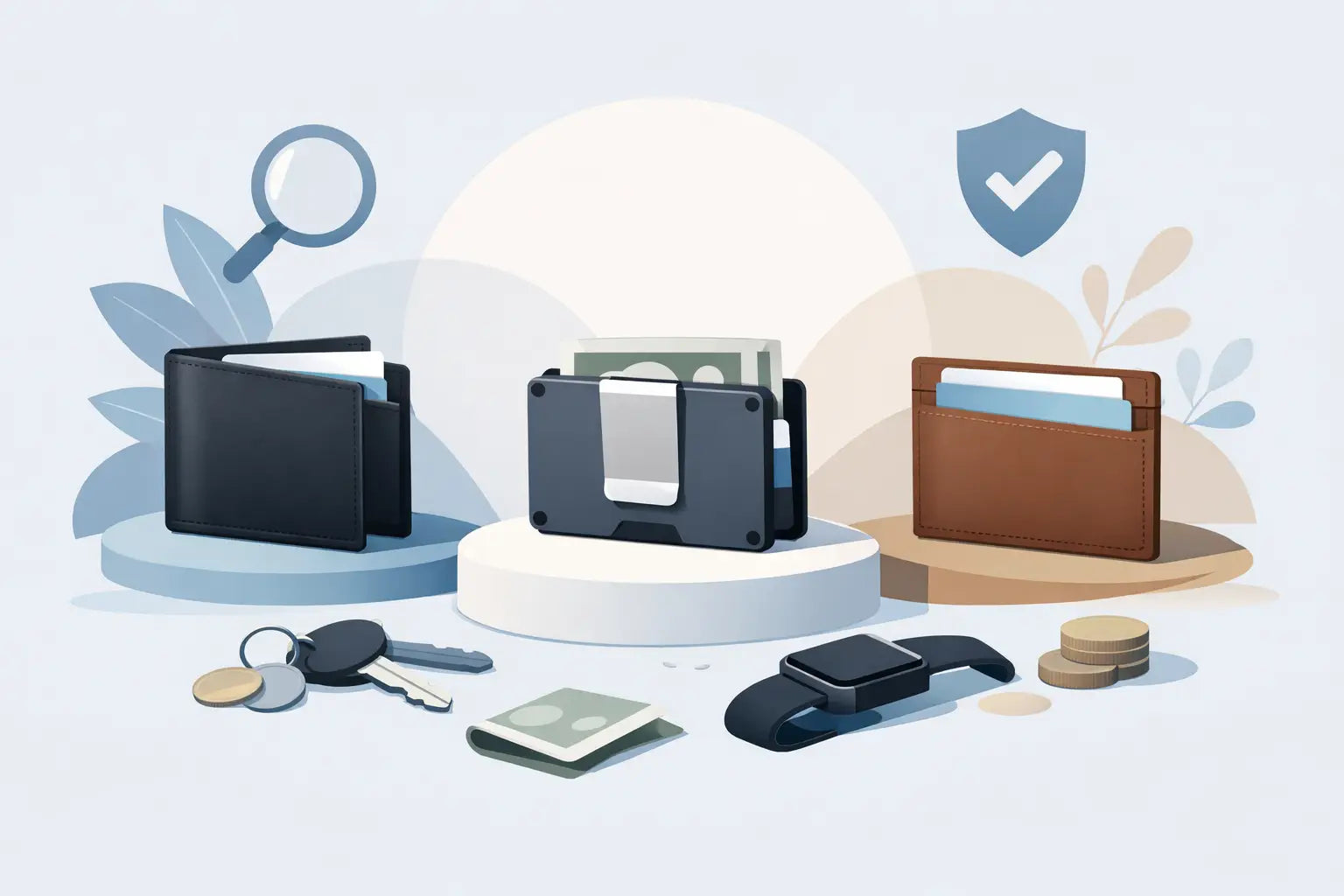
Your back pocket should not look like it’s carrying a spare sandwich. If your wallet is stretched, overstuffed, and packed with cards you forgot you had, it’s probably time for a smarter edit. The best wallet for minimalists is not just thinner. It makes everyday carry easier, cleaner, and more intentional.
Minimalism is not about owning the fewest things possible. It’s about cutting friction. A good minimalist wallet helps you move faster at checkout, keeps your essentials in order, and slips into a pocket or bag without creating bulk. Less clutter, no compromises.
What makes the best wallet for minimalists?
The answer depends on how you actually live. If you tap to pay everywhere, your wallet can be extremely slim. If you commute, carry business cards, or still use cash often, you need a little more flexibility. The best minimalist wallet is the one that fits your real routine, not a fantasy version of it.
Start with capacity. Most people use the same three to six cards every week. That usually means one payment card, an ID, a transit card, insurance, and maybe one backup. If your wallet is built for 12 cards but you only need four, you are paying for extra bulk you do not need.
Then think about access. Some slim wallets look great but make every transaction feel like a puzzle. Clean design matters, but so does speed. You should be able to pull out your main card and ID without digging, bending, or emptying the whole thing into your hand.
Material also plays a big role. Leather has a classic look and softens over time, but it can stretch if overfilled. Metal offers structure and a modern profile, though it can feel rigid in a front pocket. Technical fabrics are light and durable, often a smart choice if you want something low-maintenance.
The best wallet for minimalists is built around carry style
A lot of people shop by looks first, then regret the size later. Start with where and how you carry your wallet.
Front-pocket wallets
For many people, this is the minimalist sweet spot. Front-pocket wallets are small, flat, and comfortable enough for daily use. They discourage overpacking by design, which is exactly the point. If you want to keep only the essentials close and easy to reach, this style usually makes the most sense.
They are also better for slimmer pants and tailored clothes, where a bulky back-pocket wallet can ruin the line. If your style leans clean and modern, a front-pocket wallet matches that approach.
Card holders
Card holders are the purest version of minimalist carry. They are ideal if you mostly use digital payments and only need an ID, one or two cards, and maybe a folded bill. The trade-off is obvious - storage is limited, and cash can feel like an afterthought.
That is fine for some people and frustrating for others. If you regularly carry receipts, gift cards, or loyalty cards, a card holder may feel too strict by week two.
Money-clip wallets
These work well if you still use cash but want a slimmer setup than a traditional bifold. A money-clip wallet gives bills a dedicated place without making the whole wallet bulky. It strikes a nice middle ground between minimal and practical.
The catch is that clips can get awkward if you carry only a few bills or too many. They are best for people with a fairly consistent cash habit.
Slim bifolds
If you want something familiar but refined, a slim bifold is often the safest pick. It gives you more structure than a card holder and usually handles cash better, while still cutting down bulk compared with a standard wallet.
This is often the best choice for minimalists who are not trying to go ultra-extreme. You still get organization, just without the old-school brick in your pocket.
Features worth paying for and features you can skip
Not every upgrade is useful. Some are smart. Some are just marketing dressed up as innovation.
RFID blocking sounds essential, but for many shoppers it falls into the nice-to-have category rather than a must. If it gives you peace of mind, great. Just do not let it distract you from more important things like size, ease of use, and build quality.
Quick-access card slots are far more valuable in daily life. The same goes for a secure but simple cash solution if you still carry bills. A pull tab can be helpful, but only if it works smoothly and does not wear out quickly.
Extra compartments are where minimalist wallets often lose the plot. A slot for every possible card sounds practical until you realize it invites clutter right back in. The best designs create gentle limits. They help you carry what matters and leave the rest behind.
How many cards should a minimalist wallet hold?
For most people, four to eight cards is the practical range. Fewer than four can work if your phone handles most transactions. More than eight starts to push against the whole point of going minimalist.
That does not mean eight is automatically too many. It depends on your routine. Parents, frequent drivers, and people juggling personal and work cards may need a bit more room. The goal is not a number. The goal is carrying only what earns its place.
A good test is simple: take everything out of your current wallet and sort it into three piles - used weekly, used occasionally, and not sure why this is here. Your next wallet should comfortably fit the first pile, maybe make room for one or two from the second, and force the third pile out of circulation.
Material, finish, and long-term value
A wallet is a small item that gets handled constantly. That makes quality more noticeable, not less.
Leather works well if you want something polished and versatile. Full-grain and top-grain options generally age better than cheaper corrected leather, though they cost more upfront. If you like products that develop character over time, leather makes sense.
Metal wallets appeal to people who want a sharper, more engineered look. They resist stretching and often stay compact no matter how long you use them. But they can feel cold, hard, and less forgiving in a pocket. Style-wise, they lean more modern than timeless.
Fabric and hybrid materials are often underrated. They are light, flexible, and easy to live with. For shoppers who care more about function than tradition, they can be the smartest buy.
The finish matters too. Smooth materials usually look cleaner but can show scratches. Textured finishes hide wear better and tend to grip more easily in hand. It is a small detail, but one you notice every day.
When a minimalist wallet is not the right choice
Minimal is not always better. If you travel often, need to carry multiple IDs, or rely on cash for work, a super-slim wallet may create more hassle than it saves. The same goes if you tend to store receipts, access badges, or small paper notes throughout the day.
There is nothing wrong with needing a little more capacity. Smart shopping means choosing for your lifestyle, not forcing yourself into a trend. The best wallet for minimalists should feel freeing, not restrictive.
That is why a slim bifold or slightly roomier card wallet often beats the smallest possible option. You still reduce bulk, but you keep enough flexibility to make daily life easier.
How to choose without overthinking it
Keep it simple. First, count the cards you use every week. Second, decide whether you need a real cash solution or just emergency bill storage. Third, choose the carry style that fits your clothes, commute, and habits.
From there, focus on build quality and ease of access. A wallet can look sleek in photos and still be annoying to use. If the design makes your routine slower, it is not minimalist. It is just small.
This is where curation matters. The right wallet should feel like an everyday upgrade - cleaner lines, better function, less noise. That is the same thinking behind how Zavira approaches modern essentials: precision selection, practical style, and pieces that earn their space.
Price matters, but value matters more. A slightly better wallet that lasts, stays organized, and feels good to use is usually the smarter buy than a cheaper one you replace six months later.
The best minimalist wallet does one thing really well: it makes your day lighter without asking you to give anything up that you truly need. Start there, edit hard, and let your pocket breathe.
Share:
Men Accessories That Upgrade Everyday Style
Air Fryer Versus Toaster Oven: What Wins?